
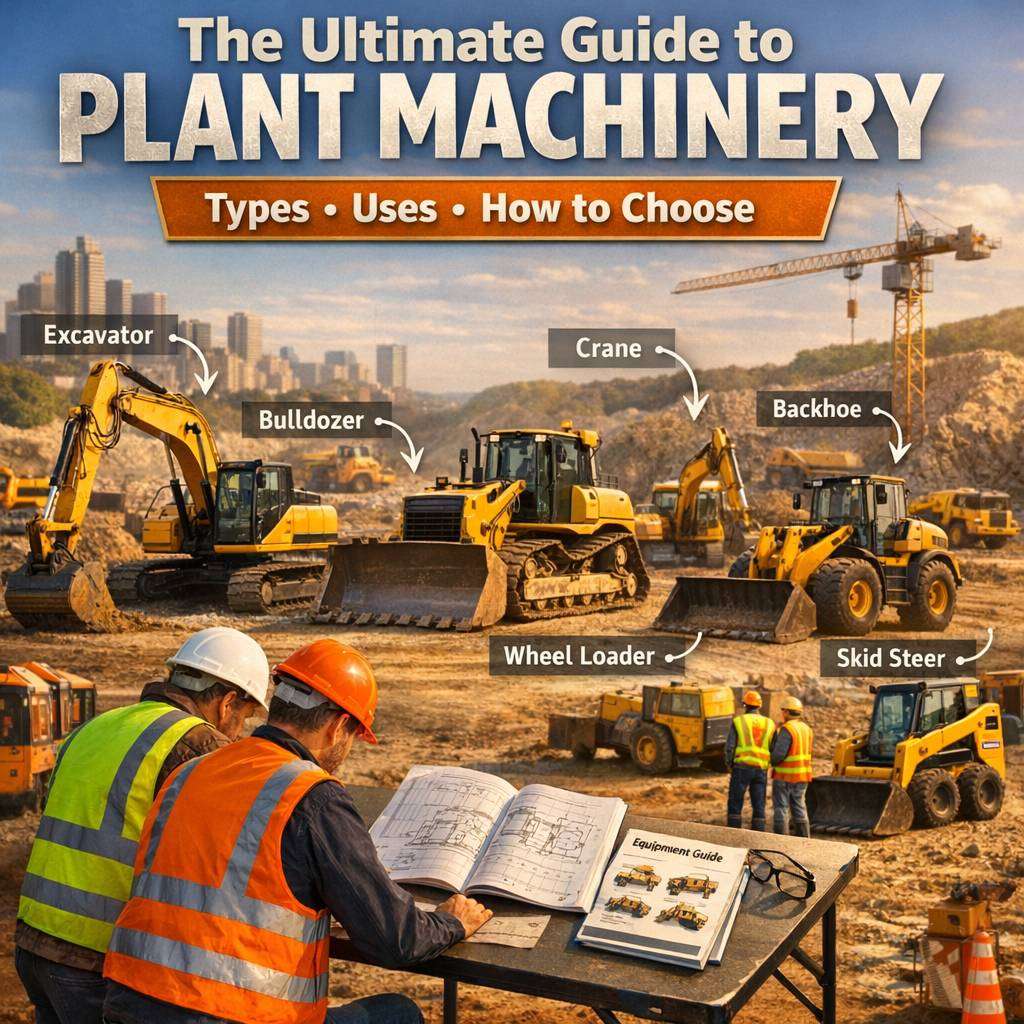
Plant machinery, the lifeblood of construction and civil engineering projects, encompasses a broad range of equipment designed to move earth, lift heavy loads, and perform tasks that would be prohibitive by hand. This guide is written for project managers, site supervisors, and procurement specialists who want to understand the spectrum of plant and machinery, the practical applications of each type, and the key considerations when selecting equipment. By the end, you will have a clearer framework for matching project requirements with the most suitable machine, whether you are looking at new, used plant equipment for sale, or exploring second hand plant machinery options.
Types of plant machinery and their primary usesEarthmoving and excavation machines form the core of most sites. Excavators, whether hydraulic or mechanical, are versatile partners for digging trenches, loading materials, and lifting heavy components. When space constraints or limited access are factors, mini diggers or compact excavators prove invaluable, offering versatility without compromising manoeuvrability. Skid steer loaders bring rapid material handling to confined sites, while wheeled loaders provide efficient bulk movement on larger projects.
For lifting and material handling, cranes and hoists dominate the skyline. Mobile cranes offer mobility across sites, whereas tower cranes are indispensable for high-rise developments. Forklifts and telehandlers extend the reach and height of material distribution, enabling safe stacking and transport of goods across varying ground conditions.
Groundworking and compaction equipment are essential to laying foundations and preparing surfaces. Plate compaction rollers, trench rollers, and compacting rammers ensure soils reach appropriate density, directly influencing structural integrity and long-term performance. Milling machines and asphalt pavers are crucial in road and pavement projects, delivering precise surface finishes and uniform layers.
Demolition and recycling equipment support deconstruction phases and site cleanup. Hydraulic breakers, crushers, and screeners enable on-site material reduction and reuse, aligning with sustainability objectives. Concrete and cement mixers, pumps, and grinders form the core of finished surface work, delivering consistent mix quality and efficient transfer of material.
Specialist machinery covers a range of niche tasks. Paving machines, asphalt distributors, and shotcrete equipment address specific construction needs. Compactors, trench shakers, and vibro takers support utility installation and ground preparation, while batching plants ensure steady supply of concrete during larger builds.
Key considerations when choosing the right plant equipmentProject requirements and performance: Start with a clear understanding of the task, including expected material types, volumes, and working conditions. Consider the required lift height, reach, digging depth, and slew radius. For example, a busy urban site with restricted space may benefit from compact excavators or mini diggers, while a large earthworks operation could justify a larger excavator and supporting fleet.
Site accessibility and mobility: Terrain, access routes, and road movement constraints influence choice. Some machines excel on smooth sites, while others perform best on uneven ground. Consider whether the equipment will be transported between sites or operated within a single location, as this affects fuel efficiency, turnaround times, and maintenance planning.
Operational efficiency and fuel economy: Modern plant equipment often includes advanced engine and hydraulic systems, telematics for remote monitoring, and emissions controls. When comparing second hand plant machinery for sale or used plant equipment for sale, assess service history, hours, and maintenance records to gauge remaining life and reliability. Fuel efficiency and idle consumption also impact total cost of ownership.
Safety, compliance, and operator training: Equipment standards and operator qualifications are non-negotiable. Ensure that the chosen machinery complies with current health and safety regulations and that operators have appropriate certification and on-site training. Telematics and safety features such as anti-tip alarms, load monitoring, and stabiliser checks contribute to safer operations.
Cost of ownership and lifecycle planning: Beyond the initial purchase price, factor in maintenance, parts availability, depreciation, insurance, and potential downtime. When evaluating plant and machinery, consider both short-term procurement needs and long-term utilisation. Used plant sales can offer substantial savings, but verify that the machinery has reliable service intervals and a robust parts supply chain.
Assessing availability and after-sales supportReliability is enhanced by access to timely parts and skilled technicians. If you are purchasing second hand plant machinery or plant equipment from a dealer, confirm the availability of certified technicians, workshop support, and a clear warranty or guarantee. For plant & machinery used in remote locations, ensure that mobile maintenance teams or rapid response services are available to minimise downtime.
Inclusion of sustainability considerationsThe construction sector increasingly prioritises sustainable practice. Reusing and repurposing plant equipment through used plant sales and second hand plant machinery can minimise embodied carbon and conserve resources. When feasible, select equipment with efficient hydraulic systems, low emissions engines, and proven durability to extend service life and reduce environmental impact.
How to evaluate options in practiceWhen evaluating plant and machinery for sale, consider both the technical specifications and the commercial terms. Compare horsepower, breakout force, reach, lift capacity, and hydraulic flow rates to determine suitability for the intended tasks. Review operating weights, stability features, and braking performance to ensure safe and efficient operation. Cross-check the dealer’s reputation, after-sales support, and available training resources. If a project requires rapid scaling, plan for a mix of new and used plant equipment for sale to balance upfront costs with reliability and uptime.
The role of procurement strategyA well-defined procurement strategy aligns project milestones with equipment cycles. Build a schedule that accounts for delivery lead times, set-up, operator training, and maintenance windows. Consider rental options for short-term surges in demand, alongside purchase options for long-term or high-utilisation assets. Plant and machinery sales channels often provide bundled maintenance packages, extended warranties, and bundled spare parts that improve predictability of costs.
Final thoughts for choosing the right equipmentThe right plant machinery choice hinges on matching the task with the machine’s capabilities, the site conditions, and the project’s financial framework. Whether you are exploring second hand plant and machinery for sale, plant & machinery, used plant equipment for sale, or plant and machinery sales more broadly, a structured evaluation that includes performance needs, safety, lifecycle costs, and support networks will yield the best outcomes. By prioritising suitability, reliability, and total cost of ownership, you can optimise productivity, control risk, and deliver projects on time and within budget.
Plant machinery is essential for efficient construction projects, offering reliability, versatility, and powerful performance on-site. Our rental and sales fleet includes excavators, loaders, and rollers to suit any job, from groundwork to demolition. With expert support, flexible terms, and prompt delivery, you can keep projects on schedule. For details and competitive pricing, visit www.sjhallplant.com and discover how our plant machinery solutions can boost productivity and reduce downtime.
Discover reliable plant machinery solutions designed to boost productivity on any project. From compact excavators to heavy-duty loaders, our fleet is modern, well-maintained, and ready to hire or buy. Partner with us for expert advice, flexible rental terms, and dependable support. Visit https://www.sjhallplant.com for details on availability and pricing, and explore how our plant machinery can help you complete jobs faster with minimal downtime.
Plant machinery is essential for efficient construction projects, delivering power, precision, and productivity on every site. Our fleet includes versatile options for excavation, lifting, and earthworks, backed by expert maintenance and flexible rental terms. We help clients optimize budgets while meeting deadlines with reliable, well-maintained equipment. For transparency, learn more about our company at https://find-and-update.company-information.service.gov.uk/company/10405614, and discover why customers trust our plant machinery solutions.
FAQ: Plant Machinery
What is plant machinery?
Plant machinery refers to heavy equipment and machines used in construction, mining, agriculture, and related industries to perform tasks such as lifting, digging, loading, and site preparation. Examples include excavators, loaders, bulldozers, cranes, forklifts, and grading machines.
Why rent or buy plant machinery?
Renting allows access to the latest equipment with lower upfront costs, flexible terms, and maintenance included in some packages. Purchasing provides long-term asset ownership, potential tax advantages, and tailored equipment for specific projects. Our solutions cover both options.
What types of plant machinery do you offer?
We offer a wide range of equipment, including:
- Excavators (crawler and wheeled)
- Loaders (backhoe, wheel loaders)
- Bulldozers
- Dump trucks
- Cranes
- Forklifts and telehandlers
- Compactors and rollers
- Skid steers and mini excavators
- Aerial work platforms
- Concrete machinery and pumpsIf you need something specific, contact us and we’ll help source it.
How do I determine the right size or model for my project?
Consider project scope, terrain, load requirements, reach, lift height, digging depth, and onsite space. Our team can perform a quick needs assessment and recommend suitable models, along with operating weight, fuel consumption, and maintenance needs.
What are the terms for renting plant machinery?
Typical terms include:
- Rental duration (days, weeks, or months)
- Delivery and pickup options
- Operator availability (if required)
- Maintenance, servicing, and breakdown support
- Insurance and liability
- Delivery lead times and site readinessWe can tailor terms to fit your project timeline.
Do you provide operators or training?
Yes, we offer trained, certified operators for most equipment and can provide on-site or classroom-style training to ensure safe and efficient use. If you already have operators, we also offer support and handover documentation.
What maintenance and support are included?
Maintenance plans vary by rental or purchase agreement but commonly include routine servicing, parts replacement, and 24/7 breakdown support. Some plans also include on-site servicing and remote diagnostics.
What safety features should I look for in plant machinery?
Important safety features include ROPS/FOPS cab protection, seat belts, backup alarms, cameras or proximity sensors, load moment indicators, stabilisers, emergency stop, proper guarding, and clear operator manuals. We also recommend a pre-use inspection checklist.
How do I arrange delivery and site preparation?
We coordinate delivery, set-up, and on-site checks. Please provide:
- Site access details and any height/width restrictions
- Ground conditions and levelness
- Power and fueling arrangements
- Any required permits or road restrictionsOur team will confirm delivery windows and setup requirements.
What financing options are available?
We offer flexible financing options for both purchase and long-term rental, including loans, leases, and hire-purchase arrangements. Our finance team can tailor a plan based on budget, tax considerations, and project timelines.
Are there any hidden fees I should know about?
Transparent pricing is important to us. Common potential fees include delivery charges, fuel surcharges, late return fees, maintenance costs outside included plans, and insurance. We will outline all costs in the contract before you commit.
How do I request a quote?
You can request a quote online, by phone, or via email. Provide details about your project, required equipment, rental duration, delivery location, and whether you need an operator or training. We’ll respond with a tailored quote promptly.
Can I see equipment in person before renting or buying?
Absolutely. We can arrange a site visit or showroom viewing to inspect the machinery, review specifications, and discuss suitability for your project.
What documentation will I receive?
You’ll receive a specification sheet for each machine, safety and operator manuals, warranty information, maintenance records, delivery/pickup details, and, if applicable, insurance certificates and financing documents.
How do I return or end a rental?
Return instructions will be provided with your rental agreement. We’ll schedule pickup, confirm machine condition, and settle any final charges. For purchases, we’ll guide you through the transfer of ownership and post-purchase support.
What sets your plant machinery offering apart?
- Extensive fleet with latest models
- Flexible rental and purchase options
- Turnkey delivery, setup, and training
- Comprehensive maintenance and breakdown support
- Transparent pricing and fast quotesIf you have any other questions, reach out to our team and we’ll provide personalised assistance.