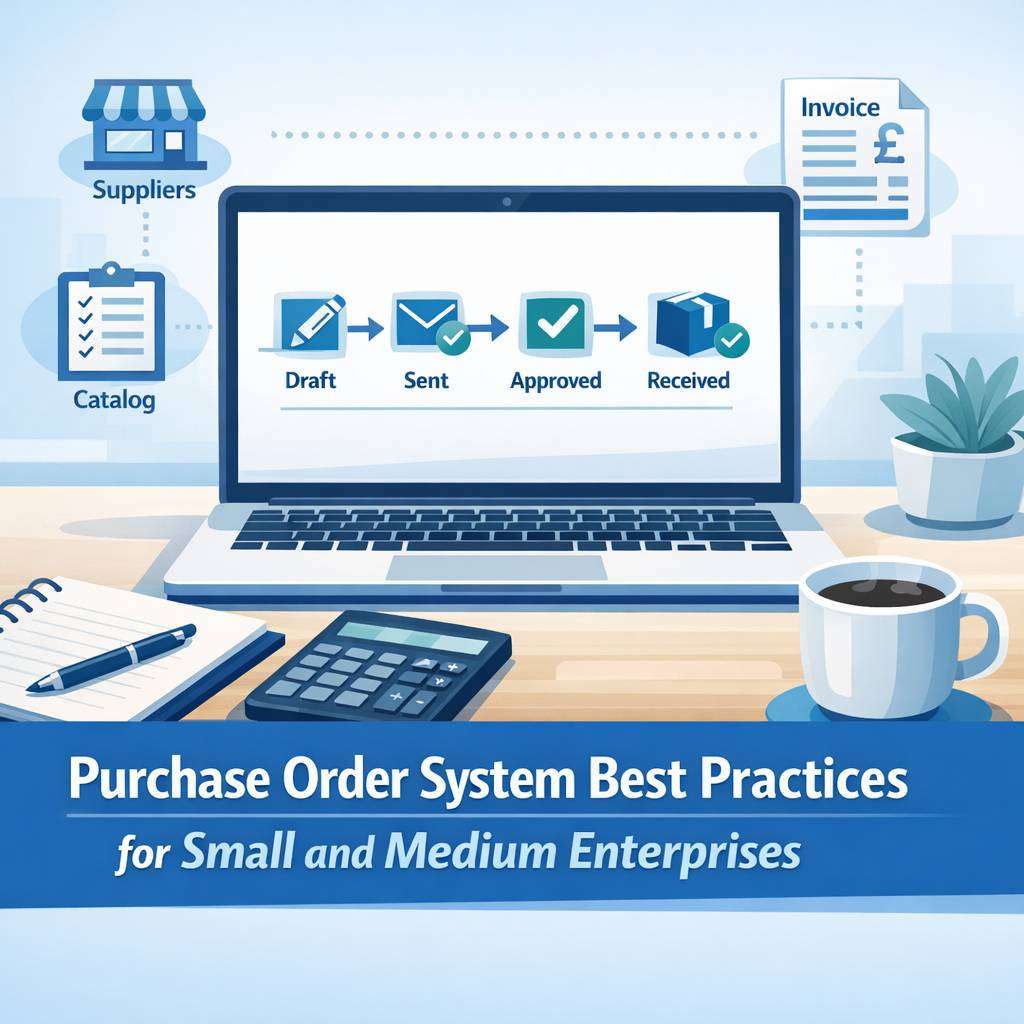
In the fast-paced world of small and medium enterprises (SMEs), a well‑run purchase order process is the backbone of efficient procurement, cost control, and supplier relationships. Implementing a robust purchase order system can save time, reduce errors, and provide real-time visibility into spending. This guide offers practical, expert‑level best practices to help SMEs optimise their purchase order processes, whether you are upgrading from a manual system or implementing new purchase order software uk solutions.
Why a Purchase Order System Matters for SMEs
A purchase order system, or po system, formalises every buying transaction. It helps teams track requisitions, approvals, supplier terms, delivery schedules, and payment milestones. For SMEs, the advantages include:
- Improved spend visibility and cost control
- Stronger governance and audit trails
- Faster approval workflows and reduced cycle times
- Better supplier relationships through clear expectations
- Automated compliance with purchasing policies
Whether you adopt dedicated purchase order software uk or an integrated purchase orders software suite within an ERP, the core principles remain the same: standardise, automate, and monitor.
Selecting the Right Purchase Order Software for Your Needs
Choosing the right system is critical. Consider these factors when evaluating options such as purchase order systems, po system software, or standalone purchase order software:
- Scope and fit: Does the software support requisitions, approvals, order creation, delivery tracking, and supplier management? Some SMEs start with a modest purchase order system and scale with features like barcode scanning, multi‑currency support, or integration with accounting software.
- Integration potential: Ensure seamless integration with your accounting platform, ERP, or inventory management. Look for APIs or native connectors to avoid data silos.
- Usability and adoption: A user‑friendly interface reduces resistance and speeds up rollout. Involve end users early and seek a transparent approval workflow that mirrors your organisational structure.
- Compliance and controls: Features such as role‑based access, enforcement of purchasing policies, and audit trails are essential for governance and micro‑level control.
- Total cost of ownership: Consider licensing, implementation, training, ongoing support, and potential productivity gains. Don’t focus solely on upfront price; calculate long‑term value.
For SMEs, cloud‑based purchase order systems or software purchase order solutions can offer lower upfront costs and easier maintenance, while still delivering robust functionality.
Designing Efficient Workflows for Requisitions to Invoices
A well‑designed workflow reduces manual steps, eliminates duplicate orders, and speeds up procurement cycles. Key elements to implement:
- Requisition to PO conversion: Establish a clear process where a requisition becomes a purchase order only after approval. Automate rule‑based approvals based on spend thresholds, department, or supplier.
- Three‑way matching: Implement three‑way matching (purchase order, goods receipt, and invoice) to reduce payment discrepancies. This is critical for early detection of variances and fraud prevention.
- Approval routing: Configure multi‑level approvals where needed, with escalation paths for delays. Ensure approvers have visibility into supplier terms and delivery schedules.
- Supplier master management: Maintain accurate supplier data, including contact details, tax information, payment terms, and product catalogues. A clean supplier master reduces errors downstream.
- Change management and amendments: Establish a controlled process for changes to POs, including amendment reasons, updated timelines, and version control.
- Mobile and remote access: Enable approvals on mobile devices to speed up cycles, especially for field-based teams or remote suppliers.
Adopt a standardised PO template with essential fields: PO number, supplier name, delivery address, item description, quantity, unit of measure, price, delivery date, terms, and reference to the requisition. Clear, consistent data minimises back‑and‑forth and accelerates processing.
Data Quality, Governance, and Reporting
The value of a purchase order system increases with high‑quality data and insightful reporting. Focus on data governance and actionable metrics:
- Data quality controls: Enforce mandatory fields, valid supplier IDs, correct unit measures, and consistent tax codes. Regularly deduplicate supplier records and audit the master data.
- Standardised coding: Use consistent commodity or category codes to align procurement with budgeting and inventory management. This enables robust spend analysis and forecasting.
- Real‑time dashboards: Leverage dashboards that show open POs, spend by supplier, variances between PO line item totals and invoices, and aging of outstanding POs.
- Spend analytics: Track maverick buying (purchasing outside approved channels) and identify opportunities for bulk discounts or renegotiations of terms.
- Compliance reporting: Generate audit trails showing approval history, changes to POs, and receipt confirmations to support governance requirements.
Regular training and governance reviews help maintain data integrity. A clean data foundation pays dividends when you scale operations or prepare for supplier negotiations.
Implementing and Optimising a Purchase Order System
Deployment and continuous improvement are ongoing processes. Consider these steps to maximise ROI:
- Define clear objectives: Establish what success looks like—faster cycle times, reduced errors, better cost control—and tie improvements to KPIs.
- Start with a phased rollout: Begin with core features (requisitions, PO creation, approvals, and receiving) before expanding to advanced capabilities (advanced analytics, supplier portals, or integration with manufacturing planning).
- Engage stakeholders: Involve procurement, finance, operations, and IT early. Their buy‑in is critical for adoption and ongoing support.
- Data migration plan: Cleanse historical data, map fields to the new system, and validate data accuracy before going live. This reduces post‑go live issues.
- Change management: Communicate changes, provide role‑specific training, and create quick reference guides. A supportive culture accelerates uptake.
- Continuous improvement: Schedule regular reviews of workflows, policy updates, and supplier performance. Use feedback to refine configurations and automate repetitive tasks.
A reliable purchase order system streamlines procurement, boosts visibility, and reduces errors across departments. Implementing it can shorten lead times, track approvals, and improve budgeting accuracy. Learn more about best practices through this resource: https://kb.blackbaud.com/knowledgebase/articles/Article/94114 By adopting a robust solution, teams stay aligned.
A robust purchase order system streamlines procurement, enables accurate budgeting, and reduces manual errors across departments. It also improves supplier communication, tracks approvals, and maintains an auditable purchase history. With real-time visibility, teams can manage requisitions, costs, and deliveries more efficiently, enhancing overall supply chain performance. For small businesses seeking scalable solutions, exploring adaptable tools is essential. https://www.cflowapps.com/purchase-order-system-small-business/
Managing Suppliers Through the Po System
A robust po system strengthens supplier relationships and performance:
- Supplier onboarding: Use a self‑service supplier portal where suppliers can update information, view POs, and submit invoices. This reduces manual correspondence and accelerates cycle times.
- Terms and discounts: Standardise payment terms to unlock early payment discounts where feasible. Track benefits and enforce terms consistently.
- Performance monitoring: Track on‑time delivery, quality of received goods, and responsiveness. Use these metrics to guide supplier development and renegotiations.
As you evaluate options such as purchase order software uk offerings, ensure the solution supports supplier self‑service features and provides visibility into supplier performance.
If you are considering upgrading your procurement capabilities, a well‑chosen purchase order system can be transformative for SMEs. By aligning workflows, ensuring data quality, and enabling informed decision‑making, you create a foundation that not only streamlines purchasing but also strengthens financial control and supplier partnerships. Whether you opt for a dedicated po system, software purchase order integrated with your ERP, or a flexible cloud solution, the principles above will help you realise meaningful improvements in efficiency and governance.
A robust purchase order system streamlines procurement, improves visibility, and reduces processing time. With an intuitive interface, teams collaborate efficiently, track approvals, and manage vendor relations in one place. Explore purchase order system to optimize workflows, cut costs, and ensure accurate, timely order fulfillment.