
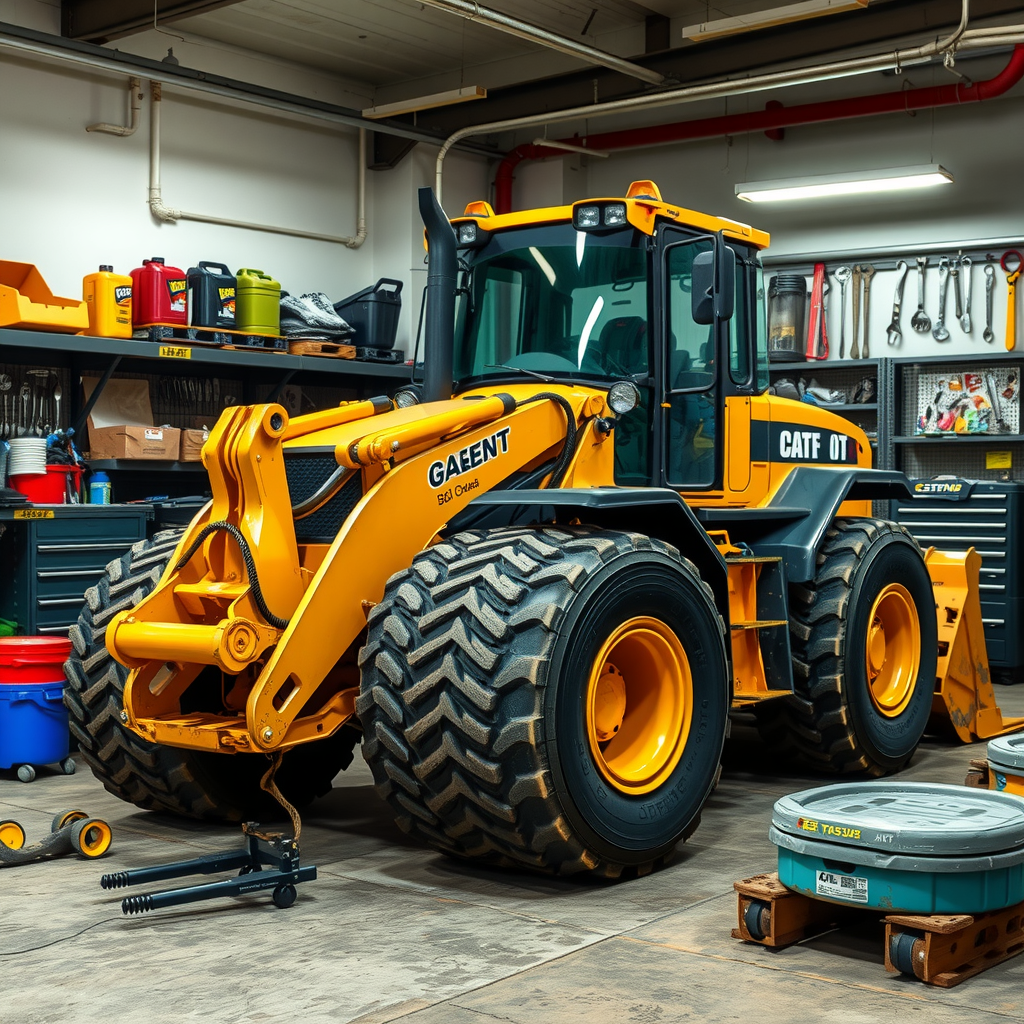
When it comes to construction projects, the reliability of your plant machinery can make all the difference. Whether you’re managing a fleet of brand-new equipment or utilising second-hand plant machinery, regular maintenance is crucial to keeping your machinery in peak condition. In this article, we will explore some essential maintenance tips that will help extend the life of your plant equipment and ensure that you’re getting the most out of your investment.
Understanding the Importance of Regular Maintenance
Regular maintenance is not just about keeping your machines shiny and new; it’s about ensuring that they operate at optimal levels. Neglecting your machinery can lead to unexpected breakdowns, costly repairs, and, ultimately, potential delays in your projects. For those exploring the world of used plant sales, maintaining the equipment is key to maximising its value. Second-hand plant and machinery for sale can sometimes carry hidden risks if not properly maintained, so pre-purchase checks and ongoing care are essential.
Create a Maintenance Schedule
Developing a routine maintenance schedule is your first line of defence in preserving the lifespan of your machinery. Mark it on your calendar or set reminders to keep track of when servicing is due. Keep in mind the manufacturer’s recommendations for service intervals, but also consider the specific demands of your projects.
For example, if you acquire used plant for sale that has seen heavy use, you might need to inspect it more often than a less-used machine. Create checklists that outline daily, weekly, and monthly maintenance activities to ensure nothing slips through the cracks.
Regular Inspections
Investing in second-hand plant machinery often requires a keen eye for potential issues. Regular inspections can help identify problems before they turn into larger, more expensive repairs. Key areas to check include:
- Hydraulics: Look for leaks and perform hydraulic fluid changes as necessary.
- Electrical Systems: Ensure that wiring and batteries are in good condition; faulty electronics can lead to catastrophic failures.
- Filters and Fluids: Regularly check and replace air, fuel, and oil filters, as well as fluids, to encourage proper function.
- Tracks and Tyres: Inspect for wear and tear, ensuring they have the right amount of tension, as improper tension can cause excessive wear.
Keep It Clean
Keeping your plant machinery clean might seem like a minor task, but dirt and grime can lead to many operational issues. Regularly wash your machinery, focusing on tight crevices where dirt could potentially harm systems. A clean machine not only looks better but operates more efficiently, reducing the strain on its components.
Another advantage of a clean workspace is that it allows easier identification of leaks or malfunctions that might otherwise go unnoticed.
Lubricate Moving Parts
Proper lubrication is vital to the longevity of your plant machinery. Lubricants reduce friction, helping to prevent wear and tear on moving parts. Refer to the equipment manual for recommended lubrication points and intervals.
Ensure that you use the correct type of lubricant as specified by the manufacturer, as using the wrong product can lead to increased wear.
Monitor Usage and Training
The way your plant machinery is used can significantly affect its lifespan. Train your operators to use the equipment correctly and efficiently. Misuse is one of the most common causes of early machinery degradation.
Encourage your team to be mindful of how they handle the equipment. For those who invest in second-hand plant and machinery, ensuring that operators understand the quirks of older models will help prevent accidents and breakdowns.
When it comes to construction projects, investing in reliable plant & machinery is crucial for efficiency and productivity. Whether you’re looking to buy or rent, our extensive range of top-quality equipment ensures you have the right tools for the job. From excavators to bulldozers, we have it all. Discover how our offerings can enhance your operations by visiting https://www.sjhallplant.com today!
Follow the Manufacturer’s Guidelines
Adhering to the manufacturer’s guidelines is crucial for maintaining your plant machinery. Whether you’re purchasing new or exploring plant machinery for sale, take the time to read the provided manuals. These documents contain valuable information about specific maintenance activities required for optimal performance.
If you’d like to stay updated with new technology and maintenance techniques, consider joining professional associations in the construction industry. Networking with other professionals can provide you with insights into best practices that can save you time and money.
Keep an Eye on Fuel and Oil Quality
Quality fuels and oils are vital for the performance of your machinery. Always ensure you procure your fuels from reputable suppliers, especially when considering used plant and machinery. Contaminated fuel can cause significant damage to internal components over time.
Check oil levels regularly and change the oil based on usage and the manufacturer’s recommendations. Poor-quality oil can lead to friction and overheating, resulting in costly repairs.
Document Maintenance History
Finally, keeping a detailed maintenance log ensures that you can track all services performed on your machinery. This record not only helps you remember when the last oil change was or when parts were last replaced but can also aid in future sales. If you decide to put your second-hand plant machinery up for sale, having a documented maintenance history can significantly increase its resale value.
Regular maintenance isn’t just a chore; it’s a crucial part of ensuring that your plant machinery operates smoothly, stays efficient, and retains its value. Whether you’re investing in used plant sales or maintaining your current machinery, follow these tips to ensure your equipment always performs at its best.