
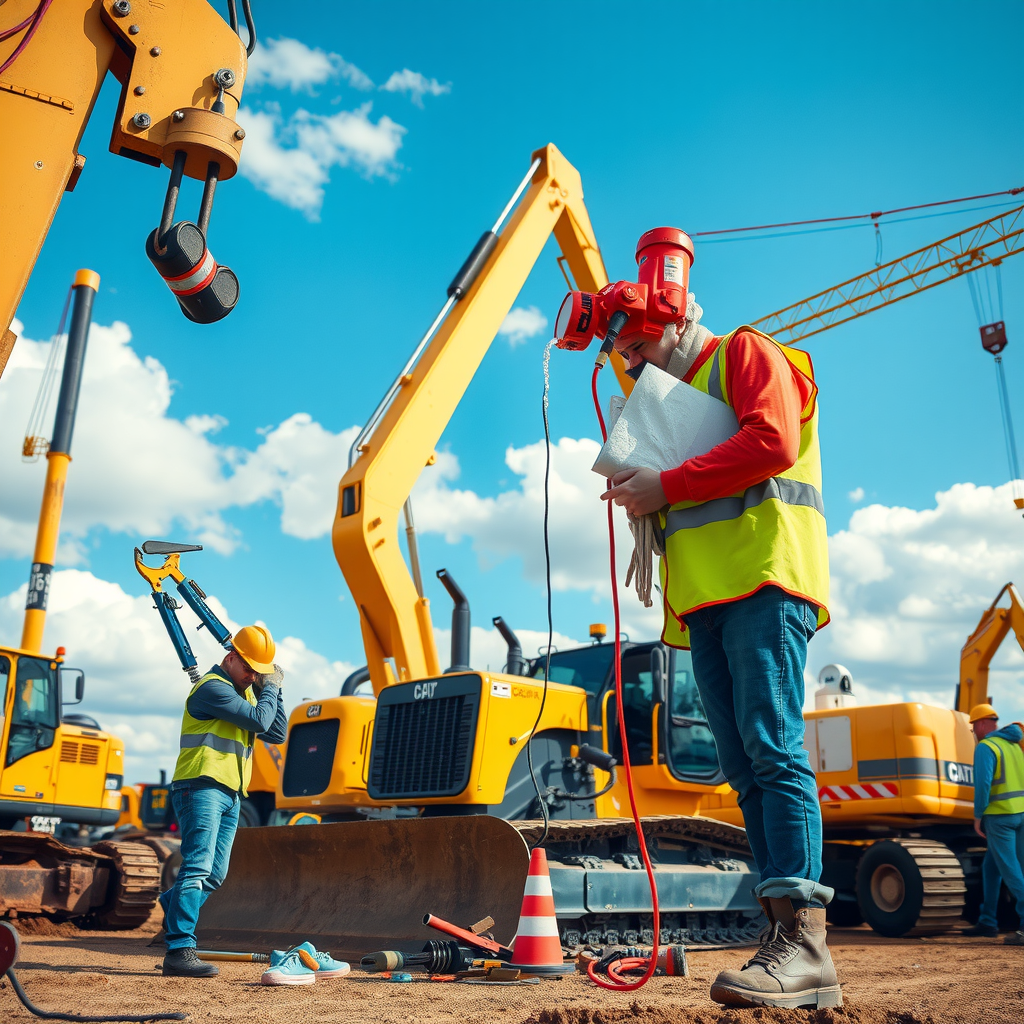
In the construction industry, maintaining plant and machinery is essential for optimal performance and longevity. Whether you are using new purchases or relying on second hand plant machinery, understanding how to properly care for your equipment can save you from unexpected breakdowns and costly repairs. This article will provide you with expert insights and practical tips to keep your heavy plant machinery running efficiently, thereby boosting your overall productivity.
With the increased availability of used plant equipment for sale in the UK, many businesses are opting for second hand plant machinery to cut costs. However, maintaining these machines requires diligence and a proactive approach. By following best practices, you can ensure that your plant machinery serves its purpose effectively, providing you with an impressive return on investment.
Regular Inspections
Conducting regular inspections is the cornerstone of effective plant machinery maintenance. Set up a schedule to check various components, including hydraulics, engine fluids, and electrical systems. During these inspections, focus on identifying signs of wear and tear or any potential issues. For example, you should examine hoses for leaks, belts for signs of fraying, and oil levels regularly.
Additionally, adhering to the manufacturer’s guidelines regarding inspection intervals is crucial. Many manufacturers provide a detailed maintenance schedule specific to each model, allowing operators to maintain peak performance. Ignoring these recommendations can lead to reduced efficiency and increased repair costs, particularly if you rely on used plant equipment.
Investing in high-quality plant & machinery is crucial for any construction project, ensuring efficiency and reliability. Whether you need to buy or rent, having the right equipment can significantly impact project timelines and costs. From excavators to bulldozers, we offer a wide range of options tailored to your specific needs. For more information on our extensive selection and services, visit https://www.sjhallplant.com to discover how we can assist you in your next venture.
Proper Lubrication
Lubrication is essential in minimising friction and wear in mechanical parts of plant machinery. A well-lubricated machine runs smoothly, reducing the risk of overheating and component failure. It is vital to use the correct type of lubricants as specified in the equipment manual and to follow a regular lubrication schedule.
Pay special attention to pivot points, bearings, and hydraulic systems, as these areas are prone to wear. Over-lubricating can be just as damaging as under-lubricating, so ensure that you apply the recommended amounts. In the case of second hand plant machinery, always inspect previous lubrication habits to understand the best practices for your equipment.
Cleaning and Debris Removal
Regular cleaning of your plant machinery ensures that dirt, mud, and debris do not accumulate and interfere with its operation. After each use, particularly in harsh environments, take the time to clean your machinery to prevent corrosion and wear caused by contaminants.
Make it a habit to remove any debris from the undercarriage or moving parts. For heavier machines subjected to rigorous activities, consider a thorough wash every few weeks to help maintain structural integrity and performance. Investing time in cleaning your used plant equipment will not only enhance its appearance but also prolong its lifespan.
Monitoring Performance
Monitoring the performance of your plant machinery is key to identifying issues before they escalate into costly repairs. Pay attention to operational performance indicators, such as changes in engine noise, vibrations, or any unusual behaviour during operation.
Modern heavy plant machinery often comes equipped with advanced telemetry systems that allow you to track performance metrics in real time. Utilising these systems can give you insights into fuel consumption, operational hours, and maintenance needs. By staying informed, you can identify patterns that suggest when maintenance should be scheduled, preventing unnecessary downtime.
Following Documented Maintenance Procedures
Establishing and following documented maintenance procedures is vital for achieving maximum efficiency with your plant & machinery. By keeping detailed records of maintenance activities, repairs, and inspections, you can track the history of each piece of equipment.
This documentation not only helps in identifying potential issues but also serves to inform your decisions regarding used plant machinery purchases. When considering plant machinery sales in the UK, always check the maintenance history of second hand plant machinery before finalising your transaction.
Training Operators
Investing in operator training is crucial for the effective maintenance and operation of plant machinery. Trained operators are more likely to detect subtle changes in machinery performance and can take steps to address potential issues proactively.
Providing ongoing training and refreshing operators on the latest operating techniques for both new and used plant equipment will foster a culture of care and vigilance. Operators should also be educated on the importance of conducting pre-operation checks, which can help prevent damage and lower the risk of accidents or failures.
Using Quality Parts for Repairs
When repairs are needed, always opt for quality parts designed for your specific make and model of equipment. Using substandard components can lead to more frequent breakdowns and may compromise the overall functionality of heavy plant machinery.
In the case of used plant machinery, sourcing reliable parts is particularly important. Consider suppliers that specialise in plant machinery sales in the UK to ensure you receive genuine, high-quality components compatible with your equipment. This investment will pay off in enhanced performance and reduced maintenance requirements.
Staying Updated with Technology
Technology is rapidly changing the landscape of plant maintenance. Embracing advanced diagnostic tools and software can significantly enhance your maintenance strategy. Many modern systems allow you to predict maintenance needs based on data analysis, ensuring that every piece of heavy plant machinery is serviced at the optimal time.
Leverage technology to track usage patterns, identify potential failures, and schedule maintenance without disrupting operational efficiency. Adopting these innovations can streamline processes, reduce costs, and maximise the life of your plant machinery.
By implementing these expert maintenance practices, you can ensure your plant and machinery operates at maximum efficiency, leading to increased productivity and reduced operational costs. Remember that the longevity and reliability of your equipment depend largely on the care and attention you provide.