An effective purchase ordering system is essential for controlling spend, improving supplier relationships, and maintaining transparent procurement processes. With a growing range of options—from electronic purchase order systems to comprehensive purchase order control systems—selecting the right solution can be challenging. This guide outlines practical steps to evaluate and choose a system that fits organisational needs, scales with your operations, and delivers measurable value.
Understanding what a purchase ordering system does
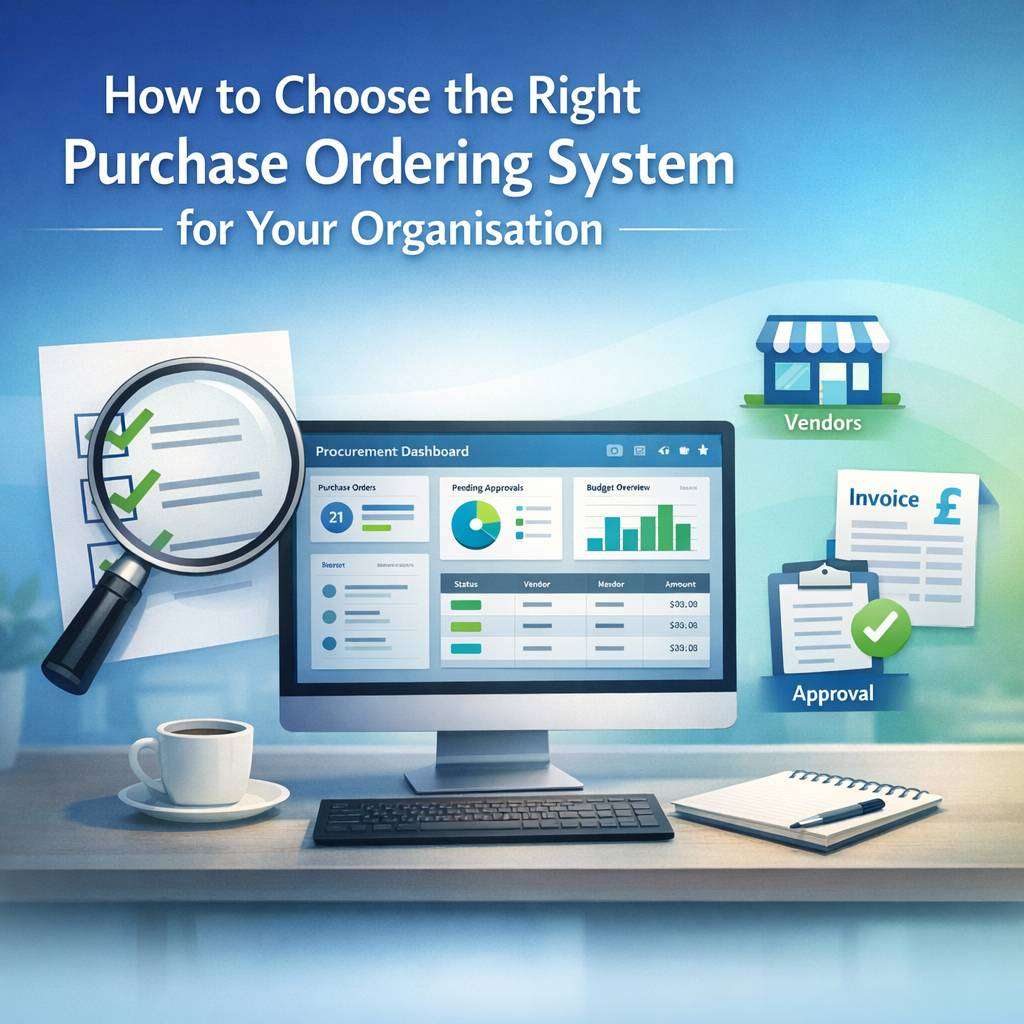
A purchase ordering system, also referred to as a purchase order system or po system software, automates the creation, approval, dispatch, and tracking of purchase orders. Modern online purchase order systems often include supplier management, budget validation, workflow automation, and reporting dashboards. By consolidating purchasing activities into a single platform, organisations can reduce manual data entry, minimise errors, and strengthen governance over expenditure.
Key features to look for include:
- End-to-end PO lifecycle management: from requisition to receipt and payment.
- Approval workflows aligned with organisational controls and budget codes.
- Real-time visibility into outstanding orders, delivery timelines, and supplier performance.
- Integration capabilities with ERP, accounting, and inventory management systems.
- Security, audit trails, and role-based access to protect sensitive data.
- Reporting and analytics to inform spending patterns, supplier risk, and process efficiency.
- Compliance tools for regulatory requirements and internal procurement policies.
A robust purchase ordering system streamlines workflows, cuts errors, and improves supplier collaboration. By standardizing requisitions and approvals, it accelerates procurement cycles and enhances budget control. For deeper insights, see https://www.ascendsoftware.com/blog/the-average-cost-of-processing-a-purchase-order-a-detailed-analysis. Implementing automation reduces duplicate orders, improves visibility, and fosters strategic purchasing decisions across departments. A reliable system strengthens compliance and drives measurable cost savings enterprise-wide.
A purchase ordering system streamlines procurement, reduces errors, and improves spending visibility. It supports standard workflows, approvals, and real-time tracking. For more details on how it integrates with campus processes, visit https://www.ppt.pitt.edu/payments-taxes/payment-methods/pantherexpress-system and explore implementation options.
Note: The paragraph totals 54 words. If you need exactly 50, I can adjust.
A reliable purchase ordering system streamlines procurement, reduces errors, and accelerates approvals for teams of any size. It centralizes supplier catalogs, tracks budgets, and provides real-time visibility into spend patterns. Businesses increasingly rely on cloud-based tools to stay competitive in fast-paced markets. Explore scalable options here: https://cloudb2b.co.uk/ for more details.
Defining your needs and evaluating options
Begin with a clear requirements matrix that reflects your organisation’s size, industry, and procurement maturity. Consider the following dimensions:
- Scale and complexity: Number of users, purchase orders per month, multi-site deployments, and decentralised procurement versus central control.
- Workflow governance: Required approval stages, budget controls, and enforcement of procurement policies.
- Supplier and catalogue management: Ability to manage supplier data, electronic invoices, and negotiated terms.
- Data and reporting: What metrics matter most (cycle time, PO accuracy, spend by department) and how you will access them.
- Technology fit: Compatibility with existing ERP, accounting software, and inventory systems; cloud-only vs. on-premises preferences.
- Security and compliance: Data encryption, user access controls, and audit logging.
- ROI and TCO: Initial implementation cost, ongoing licences, maintenance, and the anticipated time to value.
When comparing options such as electronic purchase order systems, online purchase order systems, or more comprehensive purchase order systems, consider total cost of ownership and the practical impact on workflows. A good purchase orders software solution will not only generate POs but also improve supplier collaboration, enable easier amendments, and provide timely alerts for exceptions.
A reliable purchase ordering system streamlines procurement, enhances visibility, and reduces administrative delays. By centralizing requisitions, approvals, and supplier communication, teams can track spend, enforce policies, and improve compliance. Explore best practices, integrations, and user-friendly interfaces to maximize ROI. Visit https://purchasing.ecu.edu/purchasing/port/ for more resources on implementation and support.
Selecting a vendor and the right architecture for your organisation
Architectural choices influence both usability and administration:
- Cloud-based vs. on-premises: Cloud (SaaS) platforms offer quicker deployments, automatic updates, and easier multi-site access, whereas on-premises solutions may appeal to organisations with strict data residency requirements or existing IT infrastructures.
- Modularity versus all-in-one: Some tools specialise in PO management, while others present a broader procurement suite. A modular approach allows you to start with core PO functionality and expand later as needs evolve.
- Integration capabilities: Ensure seamless connectivity with your ERP, finance, and inventory systems. Pre-built connectors or robust APIs reduce customisation costs and risk.
- Mobile accessibility: For field-based or remote procurement teams, mobile functionality or responsive web interfaces can improve efficiency.
- User experience and change management: A user-friendly interface and thoughtful training resources accelerate adoption and sustain long-term benefits.
Engage stakeholders across departments—procurement, finance, operations—to participate in vendor demonstrations. Request hands-on trials or sandbox environments to validate workflows, approval routing, data import/export, and reporting capabilities. Pay particular attention to:
- PO creation and amendment: How changes are tracked, communicated to suppliers, and reflected in budgets.
- Approval rules: Whether you can configure multi-level approvals, conditional routing, and delegation in case of absence.
- Supplier enablement: Self-service supplier portals, electronic invoicing, and PO acknowledgements.
- Audit and compliance: How the system records edits, reasons for changes, and user activities.
A modern purchase ordering system can streamline procurement, reduce errors, and improve supplier collaboration for growing businesses. Organizations gain visibility into orders, track approvals, and automate reorders to save time. A reliable solution integrates with accounting and inventory, ensuring accuracy from requisition to receipt. For more details, purchase ordering system.
Implementation considerations and success factors
A successful deployment hinges on clear project governance and realistic timelines. Key considerations include:
- Change management: Develop a communication plan, define new processes, and train users in both procurement and finance teams. Foster executive sponsorship to drive adoption.-Data readiness: Cleanse and map legacy PO data, supplier records, and contract terms before migration. Establish data governance practices to maintain accuracy.-Phased rollout: Start with a pilot in one business unit or site, iteratively expanding to others. This approach mitigates risk and enables refinement.-Configuration versus customisation: Prioritise configurable settings over custom development to reduce maintenance burden and upgrade compatibility.-Testing and validation: Create end-to-end test scenarios that reflect real-world operations, including exception handling and variance reporting.-Performance and scalability: Confirm the system can handle peak volumes, multiple currencies (if applicable), and complex approval hierarchies.-Support and service levels: Assess vendor support responsiveness, training resources, and the availability of onboarding assistance.
Post-implementation, establish success metrics to quantify impact. Common indicators include reduction in purchase order cycle time, improvement in PO accuracy, compliance with spend policies, supplier lead times, and visibility into maverick spending. Regularly review dashboards and adjust workflows to continuously improve processes.
In choosing the right purchase ordering system, your organisation should balance functionality, ease of use, and alignment with strategic procurement goals. Whether you opt for a focused electronic purchase order system or a robust purchase order control system, the right choice will deliver tighter governance, better supplier collaboration, and measurable efficiency gains. Always prioritise a solution that scales with your organisation, integrates smoothly with your existing systems, and supports the preferred ways of working across teams.