
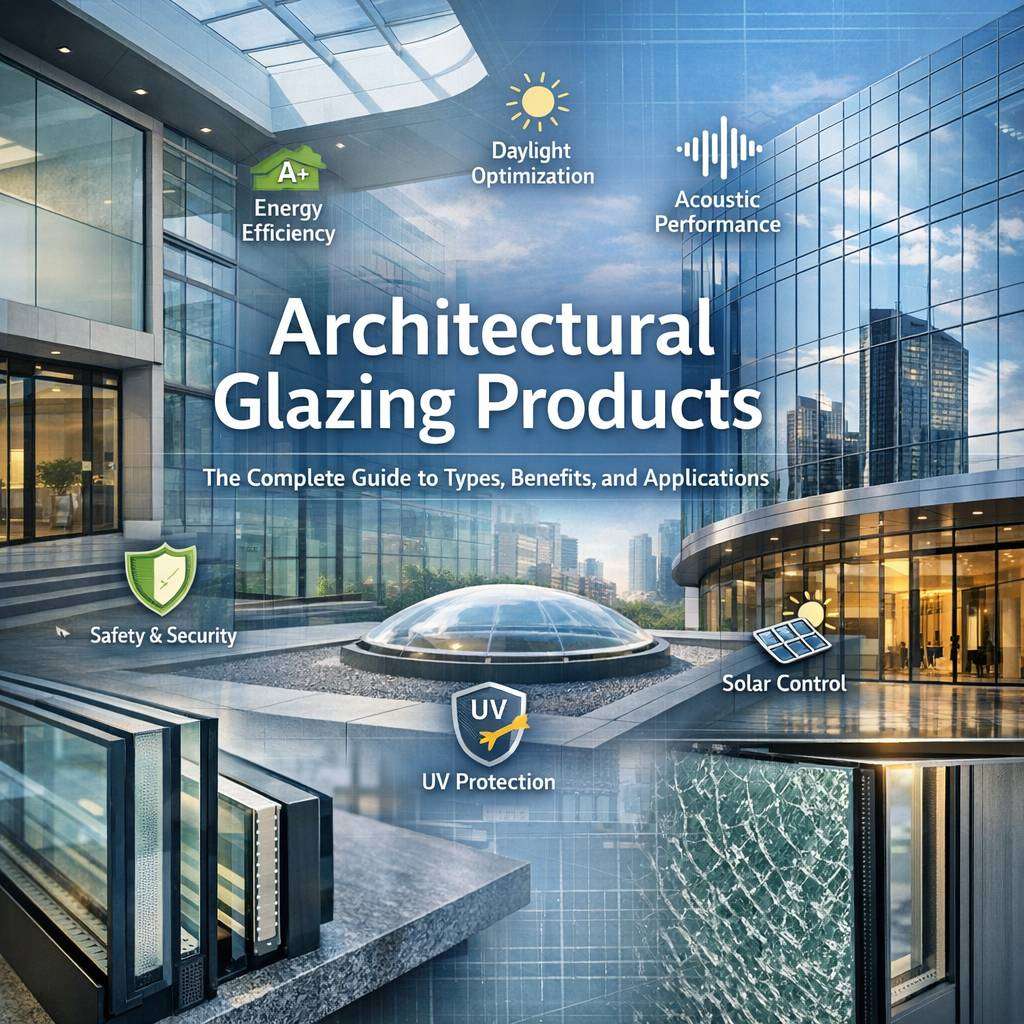
Architectural glazing shapes light, space, and energy performance in modern buildings. Whether you’re an architect, an specifier, or a building owner, understanding the spectrum of architectural glazing products helps you make informed decisions that balance aesthetics, performance, and cost. This guide, written from an expert perspective, outlines the main types, their benefits, and practical applications, with insights into choosing an architectural glazing company you can trust.
What is architectural glazing?
Architectural glazing refers to the glass and glazing systems used in façades, interior partitions, skylights, and curtain walls. It includes single-glazed and insulated units, toughened and laminated safety glass, low-emissivity coatings, solar control films, and intelligent glazing technologies. The right combination enhances natural daylight, reduces energy consumption, and contributes to occupant comfort.
Core types of architectural glazing products
- Glass types
- Float glass and treated glass: The baseline for most glazing assemblies, available in various thicknesses and surface finishes.
- Laminated glass: Pairs of glass bonded with interlayers (often PVB or ionoplast) for safety and security.
- Tempered glass: Heat-treated for increased strength and fracture patterns that minimise injury risk.
- Insulated glazing units (IGUs): Two or more glass panes separated by cavities, improving thermal performance and condensation resistance.
- Solar control solutions
- Low-emissivity (Low-E) coatings: Thin metallic layers that reflect heat while allowing light transmission, improving energy efficiency.
- Spectrally selective coatings: Engineered to control solar heat gain based on wavelength, balancing daylight and comfort.
- Solar shading glass and fritted glass: Filters glare and modulates heat with patterns or films.
- Specialist glazing
- Acoustic glazing: Enhanced sound insulation for noisy environments.
- security glazing: High-attack resistance options for sensitive facilities.
- Fire-rated glazing: Fire resistance ratings integrated into glazing assemblies.
- Smart and dynamic glazing
- Electrochromic and thermochromic glass: Tinting adjusts in response to electric voltage or temperature, reducing solar gain.
- switchable glass: Electrically driven opacity changes for privacy.
- Vacuum and gas-filled glazing: Advanced insulation technologies for ultra-low U-values.
- Framing and assembly systems
- Aluminium curtain wall systems: Lightweight, strong frames with large glass areas.
- Steel and timber frames: Architectural expression with structural considerations.
- Structural silicone and gasket systems: Edge-to-edge seals for weather resistance and thermal performance.
- Float glass and treated glass: The baseline for most glazing assemblies, available in various thicknesses and surface finishes.
- Laminated glass: Pairs of glass bonded with interlayers (often PVB or ionoplast) for safety and security.
- Tempered glass: Heat-treated for increased strength and fracture patterns that minimise injury risk.
- Insulated glazing units (IGUs): Two or more glass panes separated by cavities, improving thermal performance and condensation resistance.
- Low-emissivity (Low-E) coatings: Thin metallic layers that reflect heat while allowing light transmission, improving energy efficiency.
- Spectrally selective coatings: Engineered to control solar heat gain based on wavelength, balancing daylight and comfort.
- Solar shading glass and fritted glass: Filters glare and modulates heat with patterns or films.
- Acoustic glazing: Enhanced sound insulation for noisy environments.
- security glazing: High-attack resistance options for sensitive facilities.
- Fire-rated glazing: Fire resistance ratings integrated into glazing assemblies.
- Electrochromic and thermochromic glass: Tinting adjusts in response to electric voltage or temperature, reducing solar gain.
- switchable glass: Electrically driven opacity changes for privacy.
- Vacuum and gas-filled glazing: Advanced insulation technologies for ultra-low U-values.
- Aluminium curtain wall systems: Lightweight, strong frames with large glass areas.
- Steel and timber frames: Architectural expression with structural considerations.
- Structural silicone and gasket systems: Edge-to-edge seals for weather resistance and thermal performance.
Benefits of architectural glazing
- Daylight and well-being: Penetrating daylight enhances mood, productivity, and perceived space.
- Thermal performance: Insulated glazing units and Low-E coatings reduce heat loss in winter and heat gain in summer.
- Acoustic comfort: Proper glazing selections can dampen external noise, improving internal environments.
- Safety and security: Laminated and tempered options provide resilience against impacts and break-ins.
- Aesthetic flexibility: Finishes, tints, and edge details enable distinctive façades and interior volumes.
- Energy efficiency and sustainability: Dynamic glazing and high-performance IGUs contribute to lower operating costs and better carbon footprints.
Architectural glazing products redefine contemporary façades, enhancing light, efficiency, and aesthetics across commercial and residential spaces. Designers rely on performance and durability to achieve sustainable, visually striking results. For more ideas, explore architectural glazing products.
Applications and best-fit scenarios
- Façade systems: Glass curtain walls with IGUs, low-e, and acoustic glazing deliver light-rich elevations while meeting thermal and acoustic targets.
- Atriums and skylights: Large format glazing with strong structural systems to harness daylight and visual connectivity.
- Interior partitions: Glass walls create open-plan spaces with visual continuity and sound control where needed.
- Historic and conservation projects: Specialist glazing respects heritage with appropriate safety, transparency, and reversibility considerations.
- Healthcare and education: Acoustic and glare control are crucial; anti-bactery and easy-clean coatings may be specified.
Selecting an architectural glazing company
- Qualifications and standards: Verify product certifications, performance data (U-values, solar heat gain coefficient, acoustic ratings), and compliance with relevant British and European standards.
- Technical capability: Ensure the supplier can provide full system solutions, from glass to framing, seals, and installation methodologies.
- Design flexibility: A reliable architectural glazing company should offer a range of options—from standard IGUs to bespoke laminated and laminated/specialty glasses.
- Lifecycle support: Look for corrosion resistance, warranty terms, and post-installation service, including heat-soak testing and on-site adjustments.
- Collaboration approach: A good partner communicates clearly, samples and mock-ups early, and aligns with project timelines.
Performance metrics to consider
- U-value: The rate of heat transfer; lower values indicate better insulation.
- Solar heat gain coefficient (SHGC): How much solar radiation is admitted; lower SHGC reduces cooling loads.
- Visible light transmittance (VLT): The percentage of visible light that passes through the glazing.
- Acoustic ratings: Measured in Rw or dB, indicating sound insulation effectiveness.
- Safety and security ratings: EN ratings for impact resistance, and laminated interlayer specifications.
Practical tips for project teams
- Start with performance targets: Define thermal, acoustic, and daylighting goals early to guide system selection.
- Balance aesthetics and performance: Large-format, clear façades can look striking but require careful daylight management and glare control.
- Consider maintenance: Some coatings and interlayers require cleaning or refurbishment plans to maintain performance and appearance.
- Plan for maintenance access: Ensure compatible glass and framing systems accommodate safe cleaning and inspection.
- Engage early with a trusted architectural glazing company: Early collaboration helps resolve compatibility issues with structure, waterproofing, and building management systems.
FAQ: Architectural Glazing Products
What are architectural glazing products?
Architectural glazing products are glass or glass-like materials used in building envelopes, interiors, and façades to provide transparency, light transmission, insulation, and aesthetic appeal. They include insulated glass units (IGUs), laminated glass, tempered glass, low-emissivity (Low-E) coatings, skylights, curtain wall systems, and structural glazing.
What are common types of architectural glazing?
- Insulated Glass Units (IGUs)
- Tempered and laminated glass
- Low-E and spectrally selective coatings
- Privacy and decorative glass
- Laminated structural glazing
- Vacuum-insulated glazing (VIG)
- Glass façades and curtain wall systems
- Skylights and roof glazing
- Insulated spandrel panels
How do I choose the right glazing for a project?
Consider factors such as:
- Thermal performance (U-value, R-value)
- Solar control (SHGC, UV protection)
- Daylighting and glare management
- Acoustic performance
- Safety and security requirements
- Structural load and wind resistance
- Building codes and sustainability certifications
- Aesthetic goals and daylight needs
- Maintenance and durability
What is the difference between laminated and tempered glass?
- Tempered glass: Heat-treated for increased strength; when broken, it shatters into small, less dangerous pieces.
- Laminated glass: Two or more glass layers bonded with interlayers (e.g., PVB or ionoplast); retains together when broken, providing safety and sometimes enhanced acoustic or UV protection.
What is Low-E coating and why is it important?
Low-E (low-emissivity) coatings reduce heat transfer through glass by reflecting infrared energy while allowing visible light to pass. This improves energy efficiency, reduces peak cooling loads, and can enhance indoor comfort without sacrificing daylight.
How do glazing systems impact energy efficiency?
Glazing systems influence heat gain/loss, solar heat gain, daylight distribution, and insulation. Proper selections (glass type, coatings, gas-filled IGUs, spacer systems) can significantly reduce energy consumption and improve occupant comfort.
What is the difference between IGU and single-pane glazing?
IGUs consist of two or more glass panes separated by a spacer and sealed with inert gas, providing better thermal insulation and sound attenuation. Single-pane glazing has only one pane and offers less energy efficiency and sound control.
What maintenance is required for architectural glazing?
Regular tasks include:
- Cleaning glass surfaces with non-abrasive cleaners
- Inspecting seals, gaskets, and spacers for wear
- Checking for condensation or fogging between panes (indicating a seal failure)
- Inspecting for structural movement or hardware wear in openings and frames
- Replacing damaged panes or interlayers as needed
Are there safety standards and certifications I should look for?
Yes. Look for compliance with local building codes, ANSI/ASTM standards for glazing, impact resistance ratings (e.g., CPSC or EN standards), safety glazing requirements (tempered or laminated as needed), and sustainability certifications (LEED, BREEAM, or WELL). Product testing reports and third-party certifications (e.g., IGMA, EOTA) are helpful.
How do glazing products affect acoustics?
Laminated glass and double/triple glazing with air or gas-filled cavities can significantly reduce noise transmission. The thickness, interlayer material, and the overall glazing assembly determine acoustic performance.
What is curtain wall glazing?
Curtain wall glazing refers to a non-structural outer covering of a building, typically using large glass panels or units attached to the building structure. It provides weather resistance and allows natural light, while the frame supports the glazing.
What is thermal break in glazing systems?
A thermal break is a non-conductive barrier within the frame or between the glazing and the structural frame that reduces heat transfer, improving energy efficiency and preventing condensation.
Can glazing be used for daylight harvesting?
Yes. Glazing with appropriate visible transmittance (VT) and controlled solar gain can maximise daylighting, reduce reliance on artificial lighting, and contribute to occupant comfort. Daylight analytics and smart shading systems can optimise performance.
How long do architectural glazing products last?
Durability varies by product, installation, and environment. Quality glazing systems with proper installation and maintenance can last decades, though seals, spacers, and interlayers may require periodic replacement over time.
What is smart glass or electrochromic glazing?
Smart glass, including electrochromic glazing, can adjust its tint in response to electrical voltage or sensors. This provides dynamic solar control, reducing cooling loads and glare while maintaining daylight.
How should I prepare for selecting glazing for a retrofit project?
- Assess current energy performance and climate
- Define performance targets (U-value, SHGC, acoustics)
- Review budget and lifecycle costs
- Consider integration with existing frames and systems
- Plan for installation access, warranties, and maintenance
- Engage with a glazing specialist or manufacturer for samples and simulations
Where can I get architectural glazing products?
From manufacturers, authorised distributors, glazing contractors, and architectural supply houses. Many suppliers offer product catalogs, performance data, engineering support, and BIM-ready specifications.
If you’d like, I can tailor this FAQ to a specific glazing product line, climate, or project type (new build vs. retrofit, commercial vs. residential).
Emerging trends to watch
- Increased use of dynamic glazing in commercial campuses to optimise energy use and occupant comfort.
- Integration with BIM workflows for accurate fabrication and installation sequencing.
- Sustainable materials and circular design considerations, including glass recycling and durable coatings.
Architectural glazing products offer a versatile toolkit for architects and clients alike. By understanding the types, benefits, and applications, you can specify solutions that meet performance targets while delivering striking, daylight-rich spaces. If you’re sourcing these products, partnering with a reliable architectural glazing company can make the difference between a successful project and a missed opportunity.