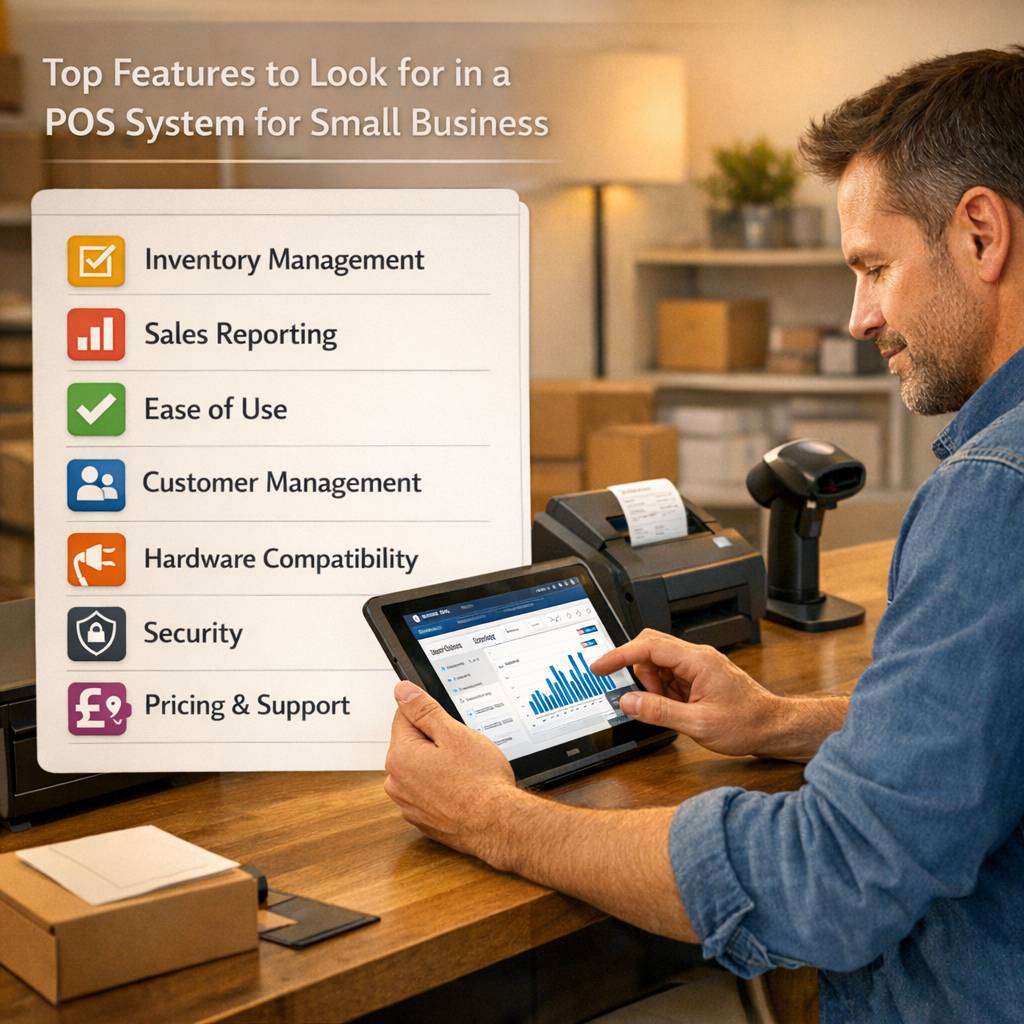
Choosing the right purchase ordering system (PO system) can make or break your small business’s procurement efficiency. A well-chosen solution saves time, reduces errors, and improves supplier relationships. Below are the key features to look for, with practical guidance to help you compare options—from traditional on-premises setups to modern cloud purchase order systems.
A well-implemented po system for small business streamlines ordering workflows, improves accuracy, and strengthens supplier relationships. With clear approval routes, reduced manual data entry, and centralized records, teams can track orders, budgets, and delivery timelines efficiently. Stage-by-stage controls help prevent overspending and fraud. For reference, https://en.wikipedia.org/wiki/Purchase_order.
Ease of use and quick onboarding
A user-friendly interface is essential for widespread adoption across departments. Look for intuitive navigation, clear dashboards, and simple workflows for creating, approving, and tracking purchase orders. A cloud purchase order system should offer role-based access, so team members see the functionality relevant to their duties without being overwhelmed by complexity. Quick onboarding helps you realise return on investment sooner.
Seamless integration with your accounting and ERP
Any po software worth considering should integrate smoothly with your existing accounting, ERP, and inventory systems. Strong integrations reduce manual data entry, minimise errors, and ensure real-time visibility into spend, receivables, and stock levels. If you operate in the UK, verify compatibility with common UK accounting standards and VAT handling. The best cloud purchase order system will offer pre-built connectors or adaptable APIs to streamline purchase order management.
Robust purchase order management features
When evaluating purchase order software, focus on features that cover the end-to-end lifecycle:
- PO creation and templates: Reusable templates save time for recurring purchases.
- Multi-step approvals: Conditional workflows ensure spend controls are enforced before orders are placed.
- Change and amendment tracking: Maintain an audit trail of edits to POs.
- PO status visibility: Real-time tracking from request to invoicing.
- Receiving and matching: Three-way matching (PO, receipt, and invoice) to prevent overpayments or fraud.
- Voiding and cancelling: Easy cancellation if a supplier or requirement changes.
A strong po software will deliver all of these with clear, actionable notifications to relevant stakeholders.
Supplier management and supplier portals
Efficient supplier management reduces back-and-forth emails and speeds up order processing. Look for:
- Centralised supplier directory with contact details, terms, and preferred communication methods.
- Supplier portals for self-service: allow suppliers to view POs, acknowledge receipt, and submit invoices.
- Automated supplier onboarding: streamlined KYC and tax information collection where applicable.
- Performance data: lead times, on-time delivery, and price compliance tracking.
A good online purchase orders module will give suppliers a simple, secure way to interact with your purchasing processes, improving collaboration and compliance.
Spend controls and policy enforcement
Small businesses benefit greatly from governance features that control maverick buying. Seek:
- Spend thresholds and approval routing by user, department, or cost centre.
- Budget checks at PO creation time to flag overspending.
- Mandatory field validation to ensure critical data (supplier, expected delivery date, GL codes) is captured.
- Blacklists or approved supplier lists to prevent unauthorised purchases.
A cloud purchase order system with these controls helps you maintain financial discipline without slowing down legitimate buys.
Cloud-first reliability and security
For many small businesses, a cloud purchase order system is the best fit. It offers accessibility from anywhere, automatic updates, and strong disaster recovery. When evaluating cloud po software, consider:
- Data sovereignty and UK data storage compliance if you operate in the UK.
- Regular backups and high availability SLAs.
- Encryption in transit and at rest, plus role-based access controls.
- User activity logs and audit trails for compliance and accountability.
If you still favour on-premises options, assess your IT capability to manage updates, backups, and security patching.
Mobile accessibility
On-the-go purchasing is increasingly common. A solid PO system should provide mobile access via responsive design or a dedicated app, enabling buyers and approvers to review POs, approve requests, and receive alerts from anywhere. This is especially helpful for businesses with field staff or remote teams.
Automation and workflow automation
Automation reduces manual work and speeds up procurement cycles. Look for:
- Automated PO creation from requisitions or approved templates.
- Auto-approvals for low-risk, low-value POs.
- Scheduled reports and alerts to keep stakeholders informed.
- Automatic generation of purchase orders from approved requisitions.
- Integration of purchase orders with invoices and payment workflows.
Automation features are often the biggest value driver in purchase order software uk implementations.
Reporting and analytics
A capable purchase ordering system should deliver clear insights into spending, supplier performance, and process bottlenecks. Key reporting capabilities include:
- Spend by supplier, department, and category.
- PO cycle time and backorder rates.
- Compliance metrics, such as percentage of orders raised through approved suppliers.
- Cost avoidance opportunities, like early payment discounts and bulk purchasing benefits.
Dashboards with configurable widgets make it easy for managers to spot issues at a glance.
Scalability and customisation
Your small business will grow, and your PO software should grow with you. Check for:
- Flexible licensing options and reasonable price tiers for increasing user counts.
- Modular features that can be added as needs evolve (e.g., advanced analytics, supplier scorecards).
- Custom fields and GL mapping to align with your chart of accounts and reporting requirements.
- Localisation options for language and tax rules if you plan to expand beyond the UK.
Migration and data hygiene
If you’re moving from a legacy system, consider the ease of data migration. A good vendor will provide:
- Import templates for suppliers, products, and historical POs.
- Data cleansing tools to remove duplicates and standardise formats.
- A clear migration plan with timelines and support.
Maintaining clean data at the outset makes ongoing PO management much smoother.
A robust po system for small business streamlines approvals, reduces errors, and improves vendor communication. By automating purchase orders, teams gain real-time visibility, control costs, and accelerate procurement cycles. For scalable solutions, explore the link below to learn how modern po systems support growing organizations. https://www.cflowapps.com/purchase-order-system-small-business/ This platform delivers efficient workflows and better financial governance.
Vendor support and community
Finally, assess vendor support and ecosystem:
- Onboarding and training resources, including guides tailored to small businesses.
- Accessible customer support via chat, phone, or email, with reasonable response times.
- A thriving user community or knowledge base for tips and best practices.
- Clear service level agreements and product roadmaps to understand future enhancements.
Bottom line: when evaluating po software, prioritise features that drive accuracy, speed, and control without creating unnecessary friction. A cloud purchase order system that offers robust PO management, strong supplier collaboration, and scalable automation can transform how a small business buys, pays, and grows.
If you’re weighing options for a UK business, look for a purchase order software uk offering that aligns with local accounting practices, VAT handling, and data protection standards. By focusing on the features above, you’ll find a solution—whether you opt for cloud-based online purchase orders or a more traditional purchase ordering system—that truly fits your team and budget.
A po system for small business can streamline procurement, reduce maverick spending, and improve visibility across departments. With scalable features, it adapts to growing teams and fluctuating supplier catalogs, helping budget-conscious owners maintain control without sacrificing speed. By centralizing purchasing workflows, it minimizes manual errors and accelerates approvals, delivering measurable cost savings. For more information, visit https://cloudb2b.co.uk/. Embracing this solution supports smarter purchasing decisions and drives supplier collaboration, from onboarding to invoicing.